
Joke of the Week
now browsing by category
Tyler Robinson Arrested for Fatal Shooting of Charlie Kirk

On September 10, 2025, conservative activist Charlie Kirk was shot and killed during his “American Comeback Tour” event at Utah Valley University in Orem, Utah. A single bullet struck him while he was speaking to a crowd, triggering a swift investigation.
Authorities have now arrested Tyler James Robinson, 22, in connection with the killing. He is being held without bail at Utah County Jail, facing state charges including aggravated murder, felony discharge of a firearm causing serious bodily harm, and obstruction of justice.
🔍 What the Evidence & Background Show
Robinson allegedly became “more political” in recent years and expressed strong disdain for Kirk’s views, according to family members. He reportedly told a family friend or relative that he was responsible for the shooting.
Key physical evidence includes bullet casings and digital messages. Some casings found at the scene were engraved with political or provocative messages. Authorities also report Discord messages from Robinson discussed obtaining the rifle used in the attack.
Robinson is believed to have acted alone.
⚖️ Legal and Social Fallout
Robinson is expected to be formally charged soon, with some counts possibly carrying the death penalty under Utah law.
Public reaction has been intense. Leaders across the political spectrum—state officials, campus administrators, and national figures—are condemning political violence and calling for calm and respectful discourse. Utah Governor Spencer Cox has emphasized that this moment demands reflection rather than further division.
Hilda Baci Ushers in New Venue & Bigger Crowd for World Jollof Festival

Chef Hilda Baci’s highly anticipated “Gino World Jollof Festival with Hilda Baci” will now be held at Eko Hotel Car Park B, Lagos, following the announcement of a venue change to accommodate the huge public interest.
Here are the latest confirmed details:
The event will still take place on September 12, 2025, free for the public to attend.
250 bags of rice will be used toward the record-breaking jollof challenge.
The specially designed pot has a capacity of 22,619 litres, and organizers plan to fill it to about 80%.
Over 20,000 people have already registered to attend.
The new venue—Eko Hotel Car Park B—is being described as larger and more prestigious than the previously chosen site. The change was made to ensure safety, comfort, and an even better experience for attendees.
Beyond the record attempt, the festival will feature food exhibitions, cultural showcases, and live entertainment, aiming to celebrate the cultural history and pride surrounding Jollof rice in Nigeria.
Viral Claim: Mother & Daughter Pregnant by Same Man Turns Out to Be a Prank

A video recently went viral in which OnlyFans model Jade and her mother Dani claimed they were both pregnant by the same man, YouTuber Nick Yardy, with their due dates just weeks apart. Jade said she would have a daughter named Nicole, while Dani claimed she was carrying a son they planned to call Nick Jr.
However, the shocking announcement has been clarified: the pregnancy claims were just a staged skit for entertainment. Neither Jade nor Dani is actually expecting at this time.
The trio confirmed their relationship is real, but the pregnancy aspect was part of a viral content strategy—sparking backlash for crossing moral boundaries and playing on shocking sensationalism.

Bill Gates’ Ghana’s Health Investment: What’s True About the Hormonal IUD Claims?

August / September 2025 Numerous media outlets have circulated claims that Bill Gates has invested “over $25 billion” in philanthropic projects across Africa covering health, agriculture, gender equality, nutrition, and sanitation, and that he expressed surprise at Africa’s resistance to the hormonal IUD, offering more investment if the measure is accepted. However, fact-checking reveals key parts of that report are inaccurate or unverified.
Here’s a breakdown of what is confirmed, what is uncertain or wrong, and what sources have said:
✅ What is Verified
-
$2.5 Billion Pledge to Women’s Health by 2030
On 4 August 2025, the Bill & Melinda Gates Foundation officially committed US$2.5 billion over the period to 2030 toward women’s health innovations. This funding aims to address often neglected areas such as obstetric care, maternal immunization, menstrual and gynecological health, contraceptive innovation, sexually transmitted infections, and maternal nutrition. Reuters+2Gates Foundation+2 -
Focus on Contraceptive Innovation, Including Hormonal IUDs
The women’s health innovations include work on contraceptive methods such as hormonal intrauterine devices (IUDs) with long-acting potential (e.g. up to 8 years), and a contraceptive patch, among other options. These are designed to be more accessible and suitable for low- and middle-income settings. Business Insider Africa+2Reuters+2
🚫 What Is Not Supported (Misreports or False Claims)
-
No Evidence Gates Says He Has Invested More Than $25 Billion in Africa in Those Areas
There is no credible source confirming Gates has publicly stated he has already invested over US$25 billion in those specific sectors (health, agriculture, gender equality, nutrition, sanitation) across Africa. The most recent clearly verified figure is the $2.5 billion for women’s health R&D. Reuters+2Business Insider Africa+2 -
No Confirmed Statement from Gates About “Surprise at Resistance” to Hormonal IUD
The claim that Gates said he was surprised by resistance to hormonal IUDs in Africa is not substantiated in reliable reports. Fact‐checking organisations have looked into viral posts connecting such statements to Gates or national leaders, and many have been found to be false or unverified. For example, Namibia’s presidency declared a post purporting a rejection of hormonal IUD trials was fake. Reuters+2Africa Check+2 -
No Public Offer Explicitly Tied to Acceptance of the Measure
The idea that Gates said he would invest more if the measure (i.e. adoption of hormonal IUDs or removal of “resistance”) is accepted is not found in credible sources.
🔍 Additional Context & Key Takeaways
-
The $2.5B commitment is part of a broader move by the Gates Foundation to fill gaps in research, development, and equitable access to essential women’s health services and innovations. This includes exploring long-acting contraceptives and working to make them more accessible. Reuters+2Gates Foundation+2
-
The hormonal IUD in question is being developed and offered with attention to cost, acceptability, safety, and regulatory requirements. It is not unique to Africa — such IUDs have been in use in other regions, but the innovation lies in adapting them for affordability, supply logistics, and cultural fit. Business Insider Africa+1
-
Misinformation has circulated, especially claims that national leaders have rejected proposals or have made statements that suit a certain narrative. Fact checkers (Reuters, PesaCheck, AfricaCheck) have found many of these claims to be false or without source. Reuters+2Africa Check+2
What This Means Going Forward
-
Public discourse should be cautious: it’s important to verify statements especially around sensitive issues like contraceptive access, health policy, and women’s empowerment.
-
There is real investment from the Gates Foundation, but headlines exaggerating the scale (e.g. “$25 billion invested already”) are misleading.
-
If more transparency emerges (in interviews, foundation reports, etc.) about Gates’ views on resistance to specific family planning methods, those should be carefully documented and fact-checked.
Source Credit:
Based primarily on reports from Reuters, Gates Foundation publications, Business Insider Africa, PesaCheck, and AfricaCheck (August-September 2025).
OAFLAD Unveils Call to Action for Women and Girls at Africa Climate Summit

At the 2nd Africa Climate Summit in Addis Ababa, the Organization of African First Ladies for Development (OAFLAD) launched a new Call to Action: “Building Resilience for Women and Girls in the Face of Climate Change and Conflict.”
Opened by Kenya’s First Lady, H.E. Rachel Ruto, the event gathered over 150 participants, partners, and member states. Keynote speakers—including Amb. Amma Twum-Amoah (African Union Commission) and Prof. Senait Fisseha (Susan Thompson Buffett Foundation)—highlighted the urgent need for women-centered climate solutions.
The campaign, unveiled by OAFLAD President H.E. Fatima Maada Bio, calls on governments and partners to:
Integrate gender-responsive adaptation and peacebuilding.
Ensure equitable access to climate finance for women and displaced populations.
Empower women and girls as leaders of resilience.
Partners like UN Women, WHO, IOM, and EGPAF stressed the vulnerabilities of displaced women and girls amid climate and conflict pressures.
🔗 Watch the campaign video: [YouTube Link]
📌 Source: OAFLAD / Africa Climate Summit
Financial Coach Geh Geh Splurges Millions on New G-Wagon After Criticizing Celebrities

Popular financial content creator and coach, Emmanuel Obrutse, widely known as Geh Geh, has set social media on fire after showing off his latest luxury ride — a Mercedes-Benz G-Wagon.
The announcement, made in January 2025, came as a surprise to many because Geh Geh had only recently criticized celebrities like Davido, Wizkid, and Rema for spending lavishly on exotic cars instead of making wise investments.
Taking to Instagram, he wrote:
> “Mùmù don first you buy G-Wagon… CONGRATULATIONS to me. A lot of them Doubted… All thanks to @donjazzy and @mazitundeednut… Thanks Opueh Nation, God bless you all for me.”
While his supporters congratulated him on the milestone, many netizens were quick to call him out for contradicting his own financial advice. Some online reactions included:
“Geh Geh don make financial mistake money wey he suppose use open poultry.”
“Very big financial mistake!”
“I give you 24 hours to return this car!!”
Despite the backlash, Geh Geh’s G-Wagon has already become a hot topic across blogs, forums, and social platforms, proving once again that he knows how to stay in the spotlight.
Whether this was a “financial mistake” or simply a well-deserved reward for his hard work, one thing is certain — Geh Geh’s name is on everyone’s lips.
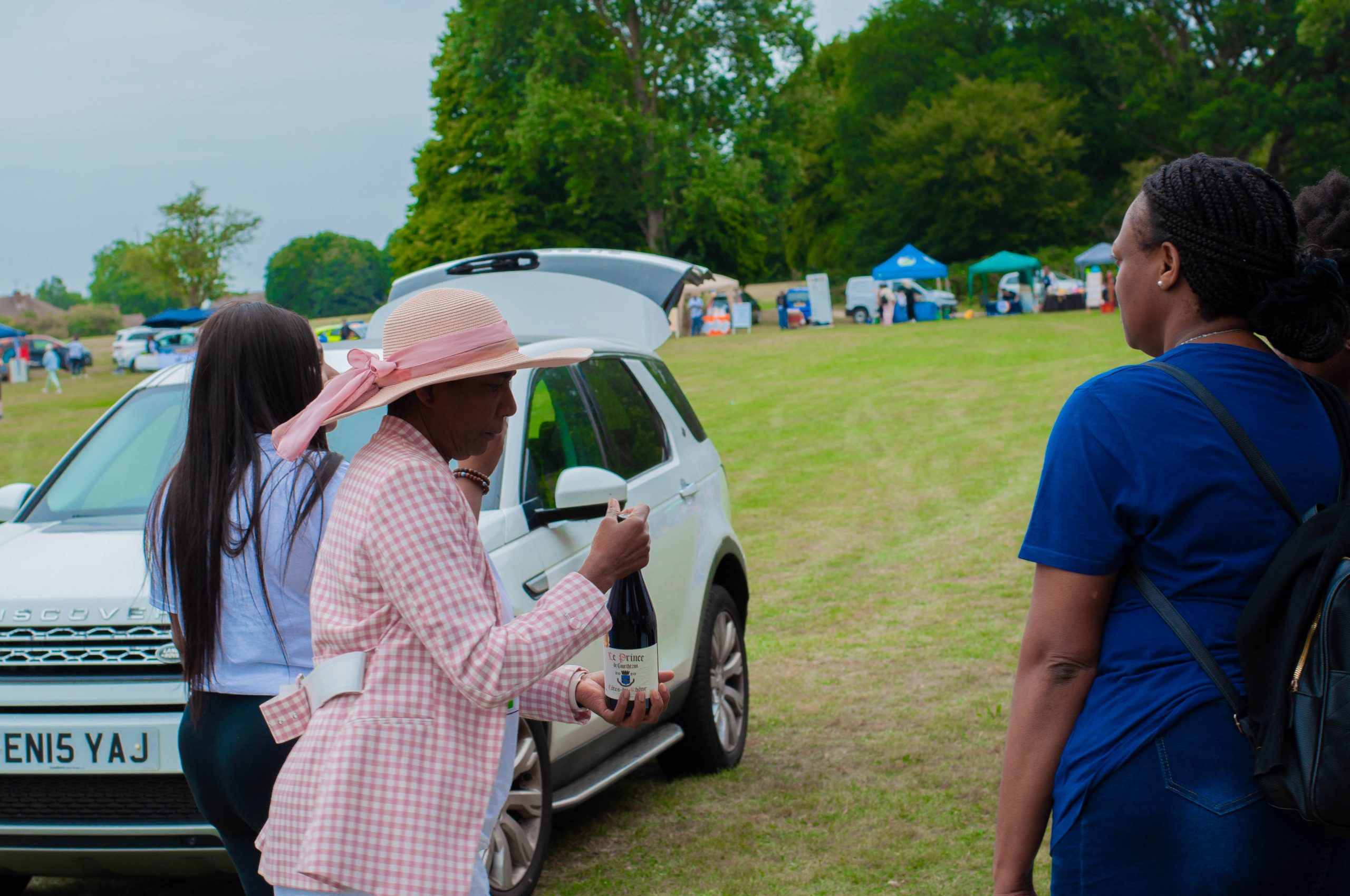
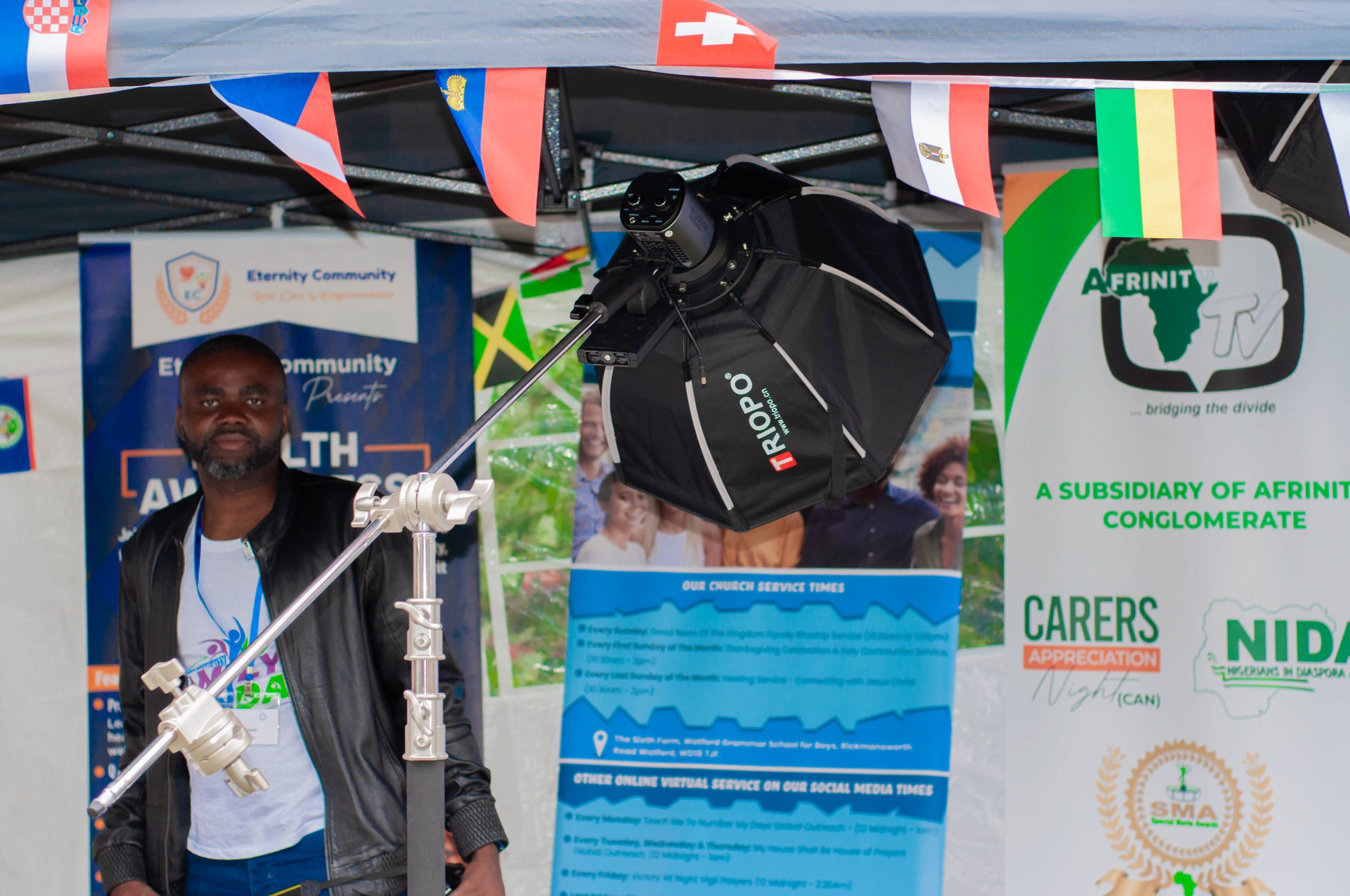
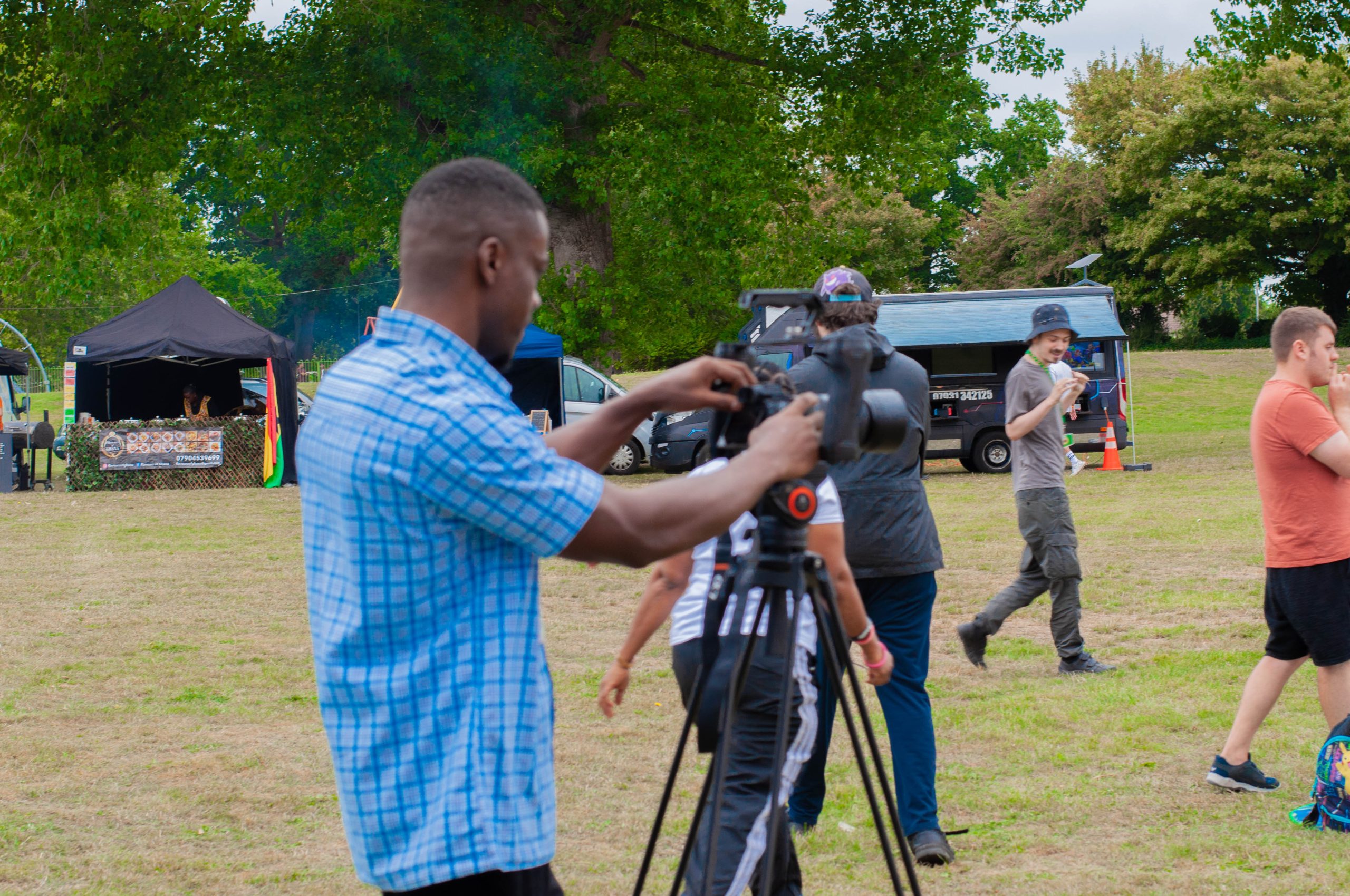
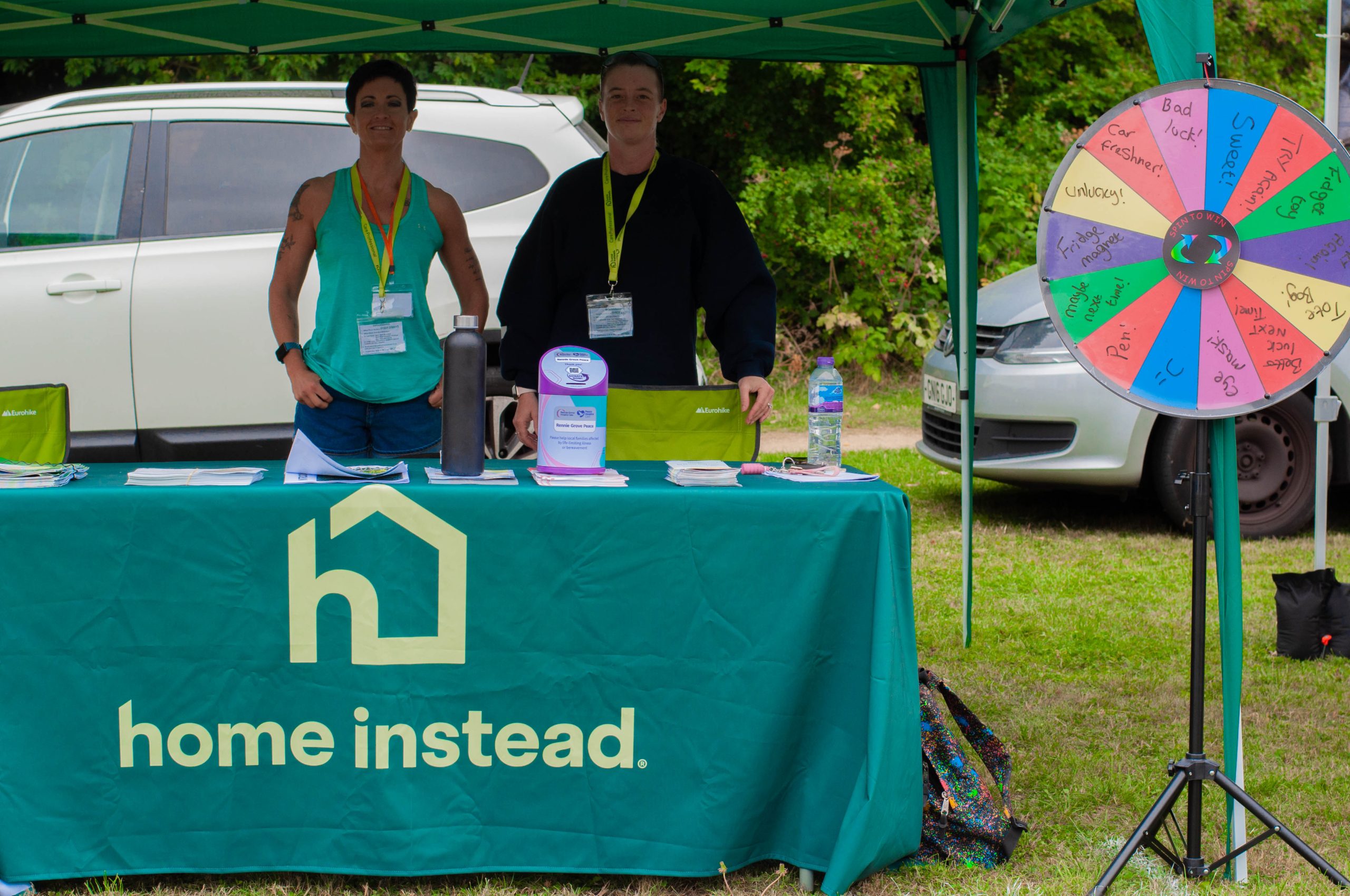
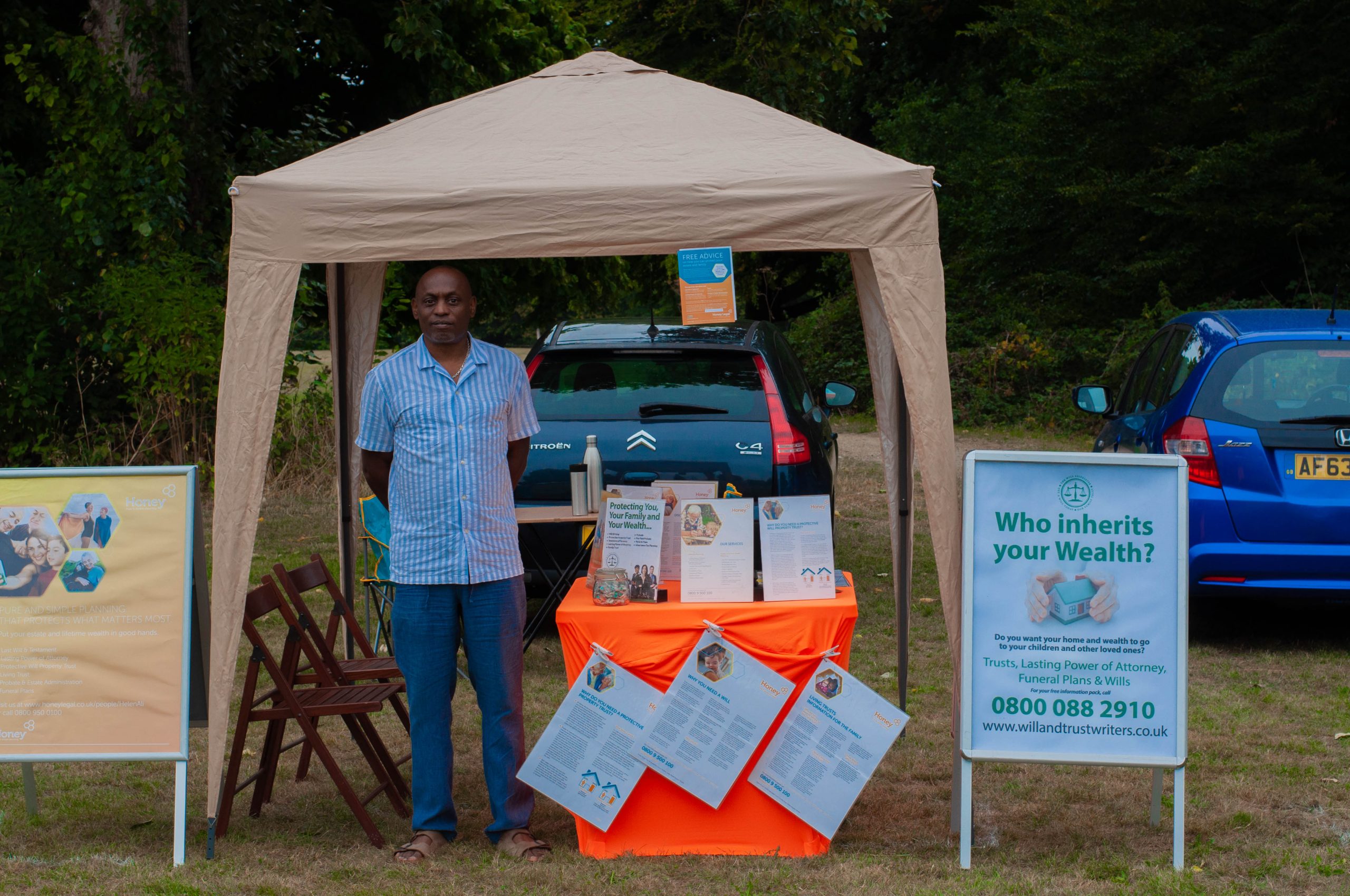
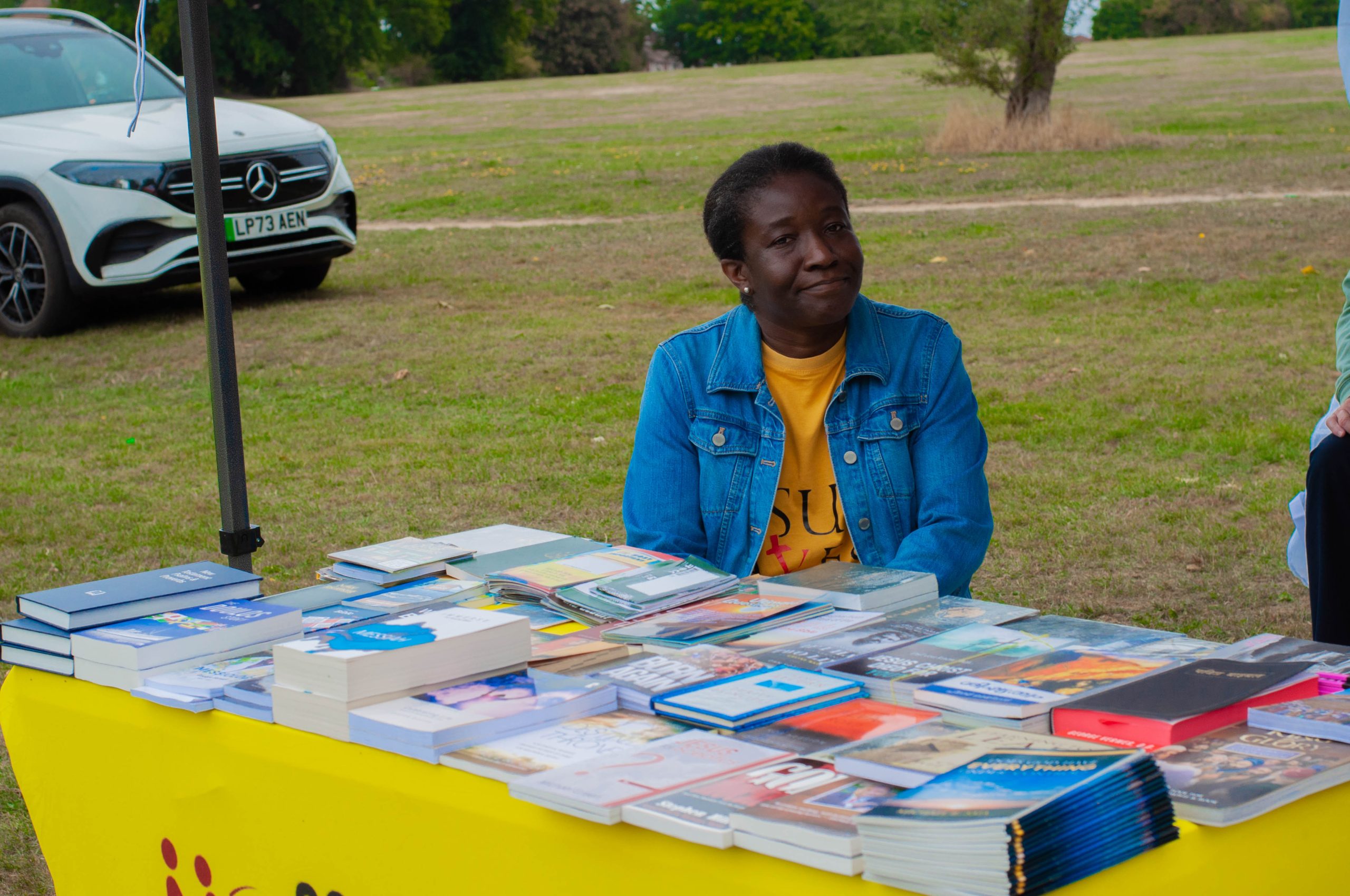
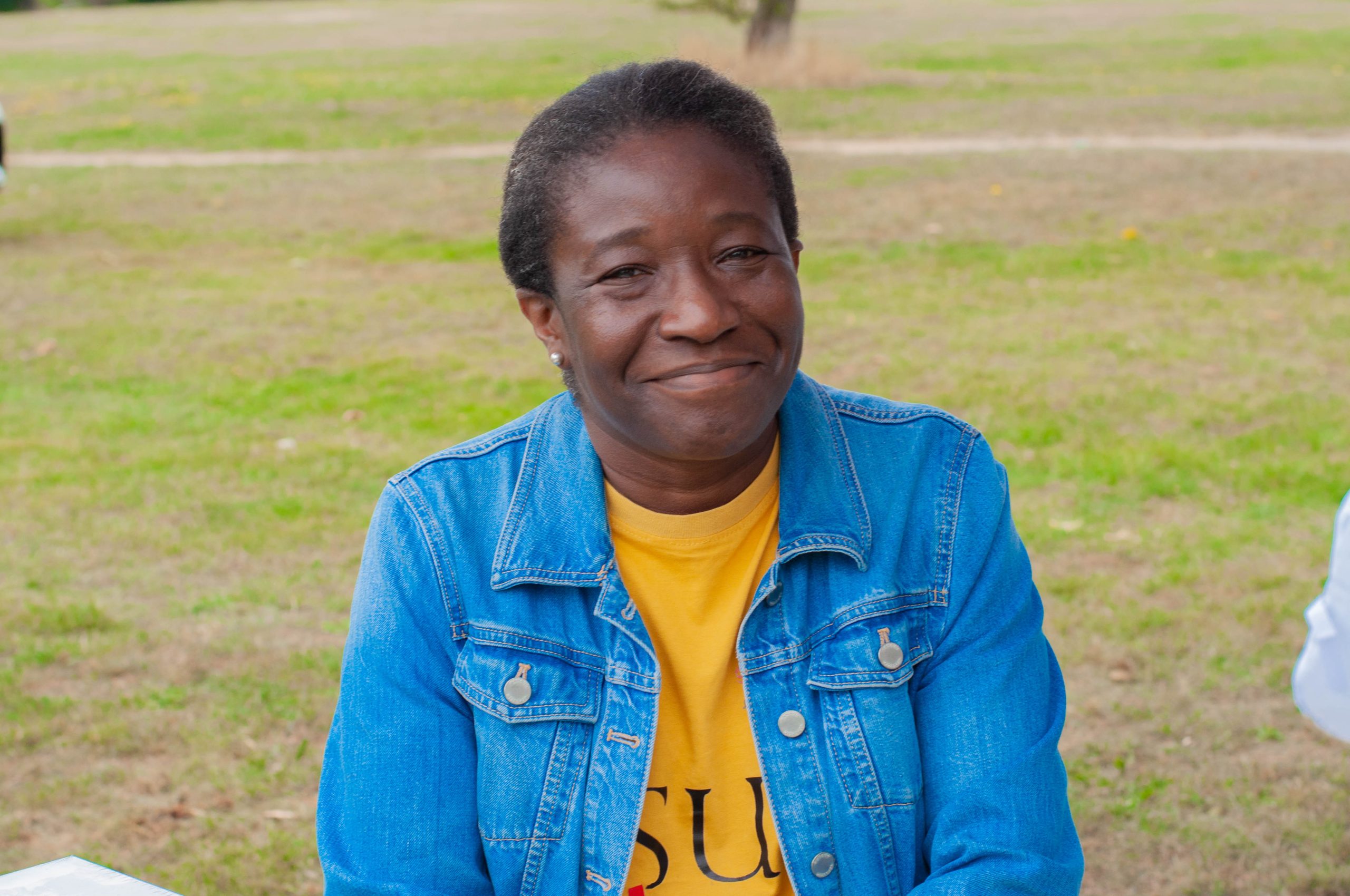
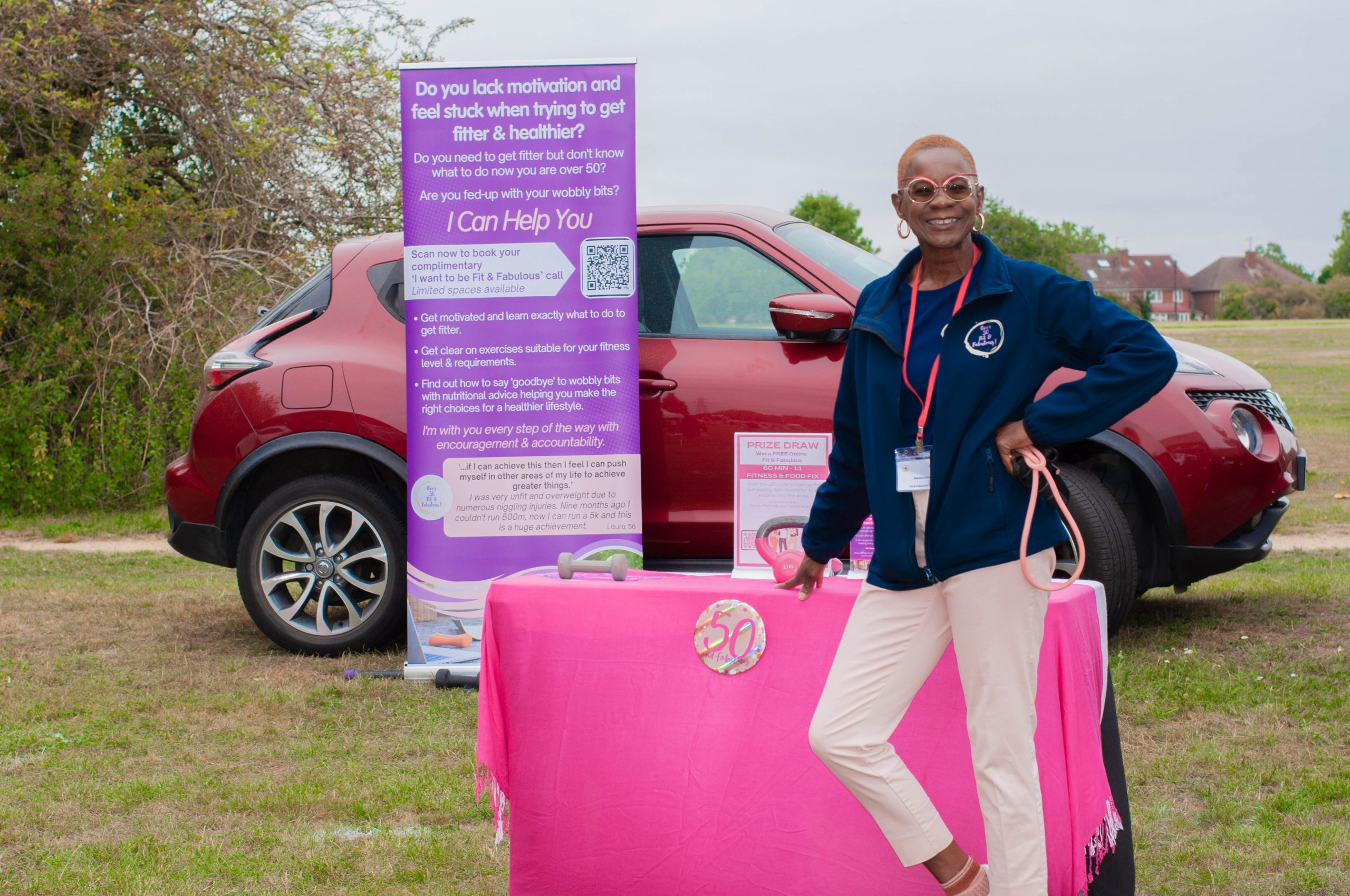
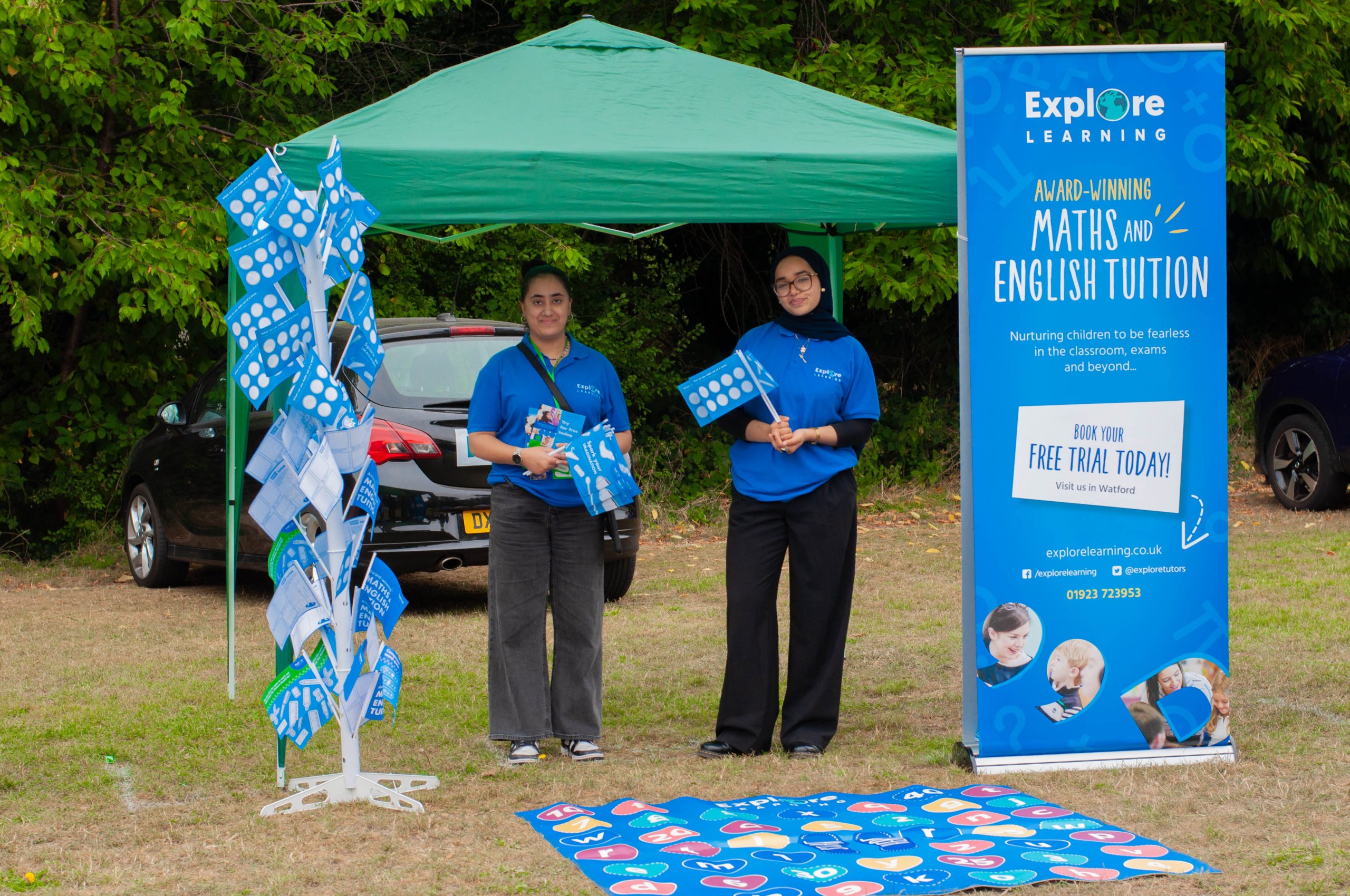
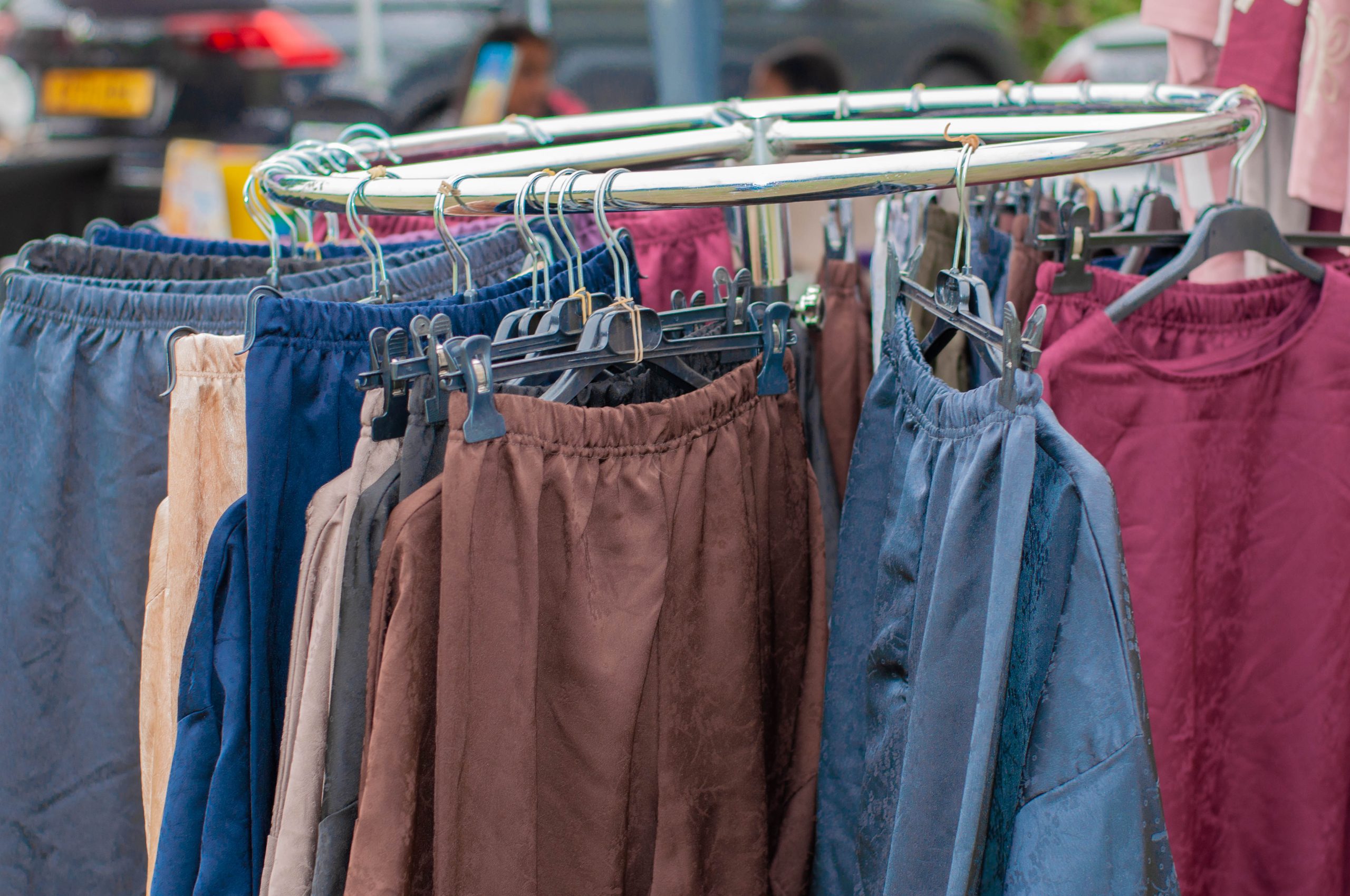
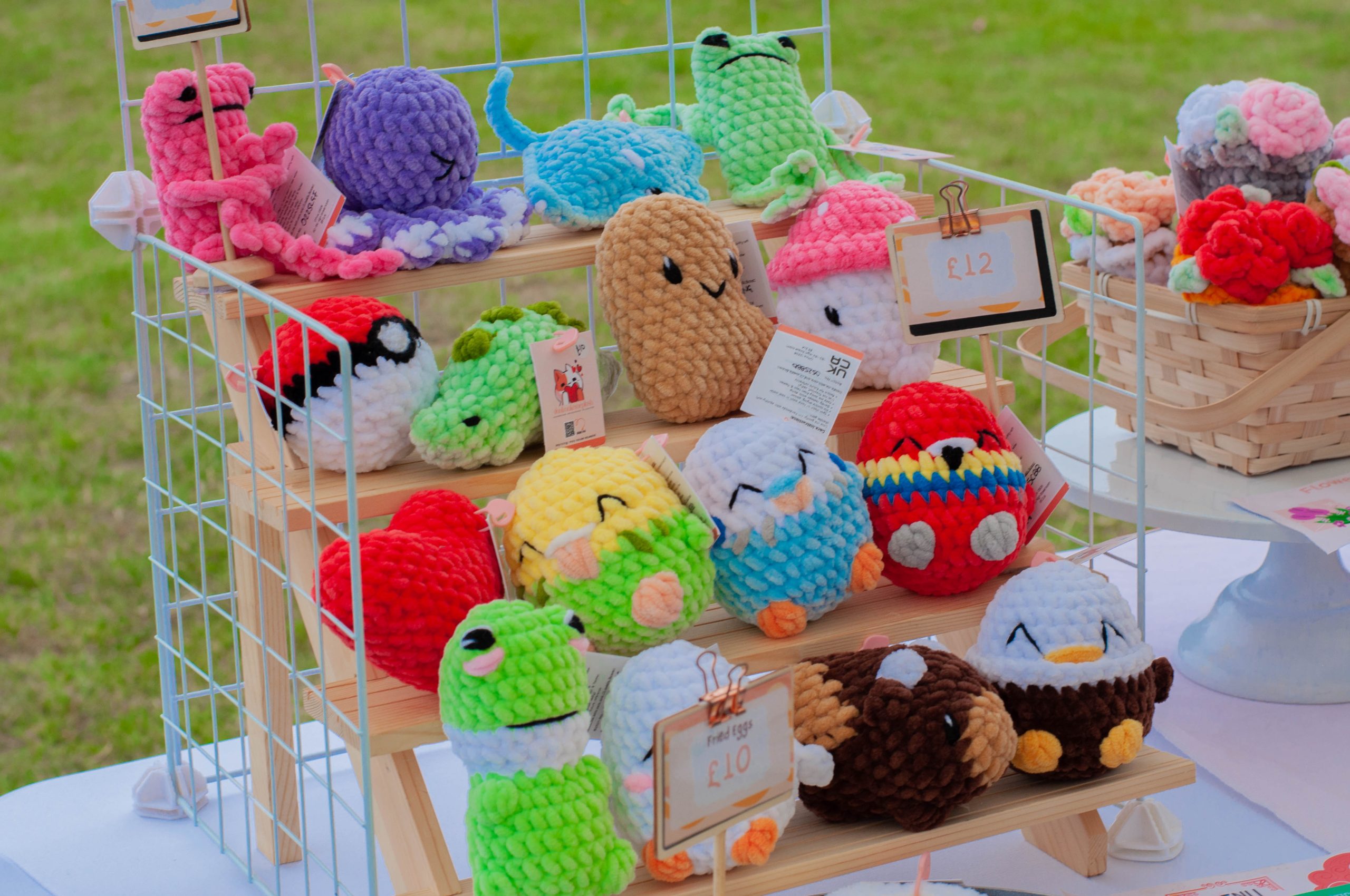
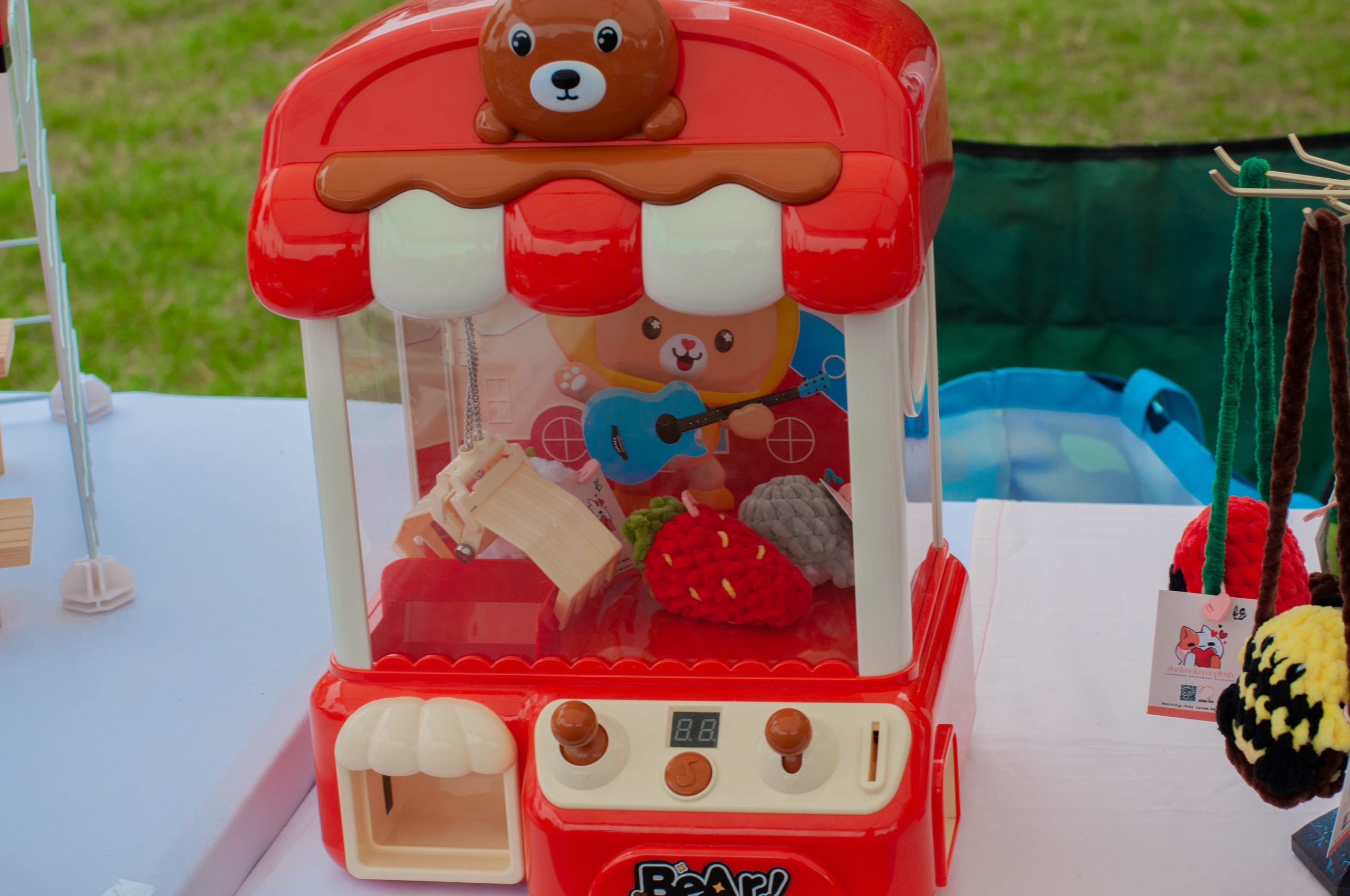
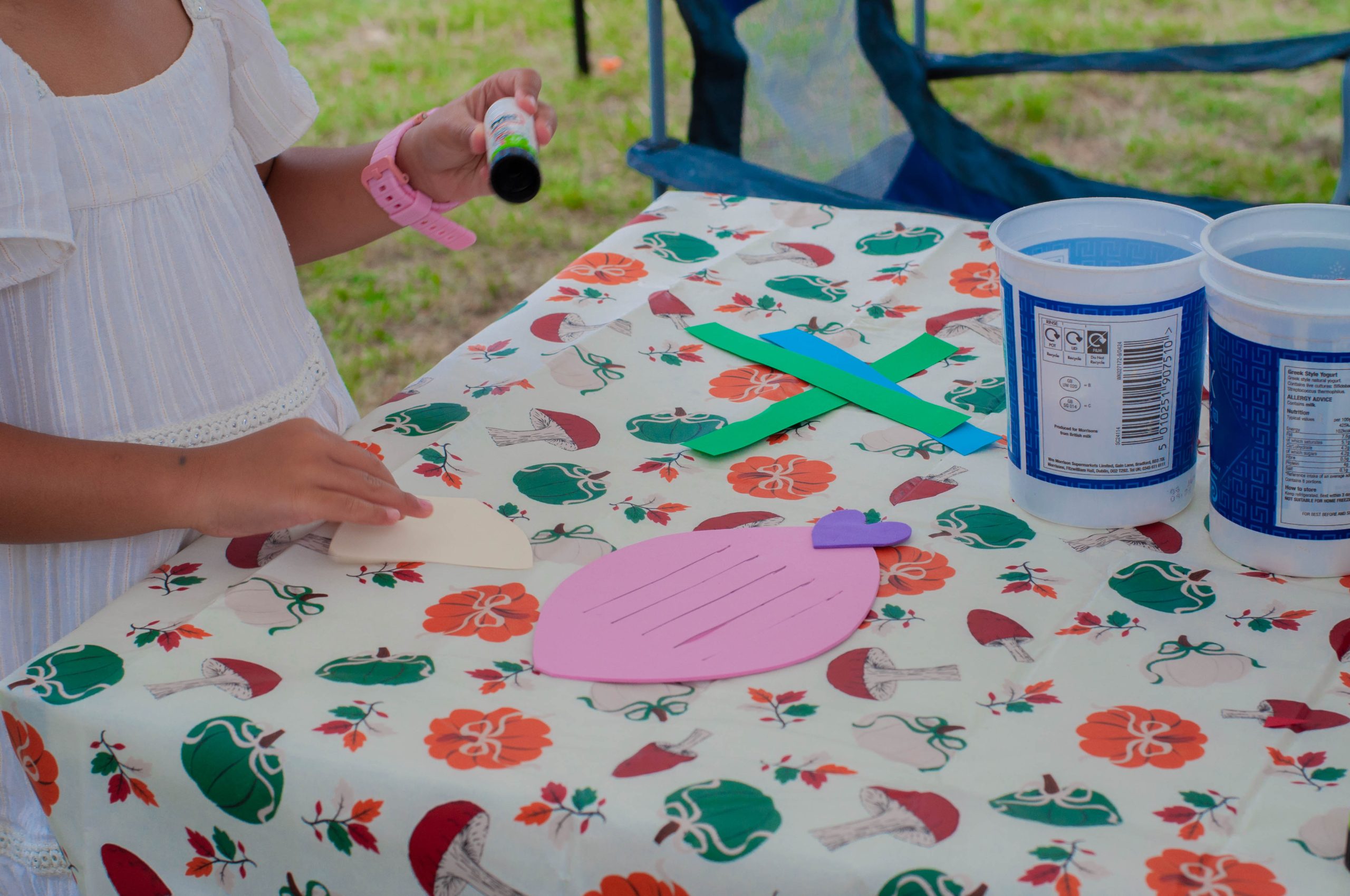
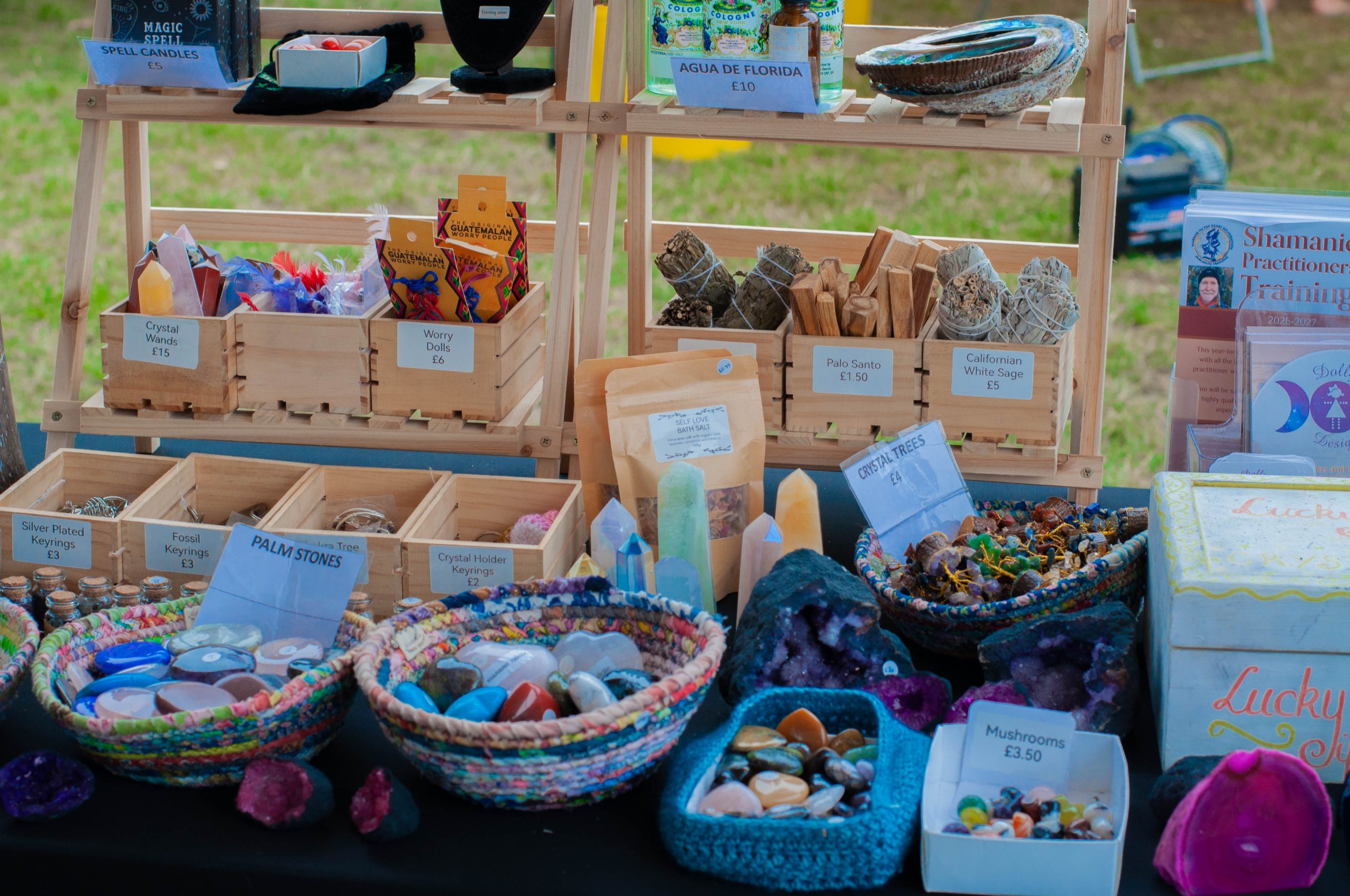
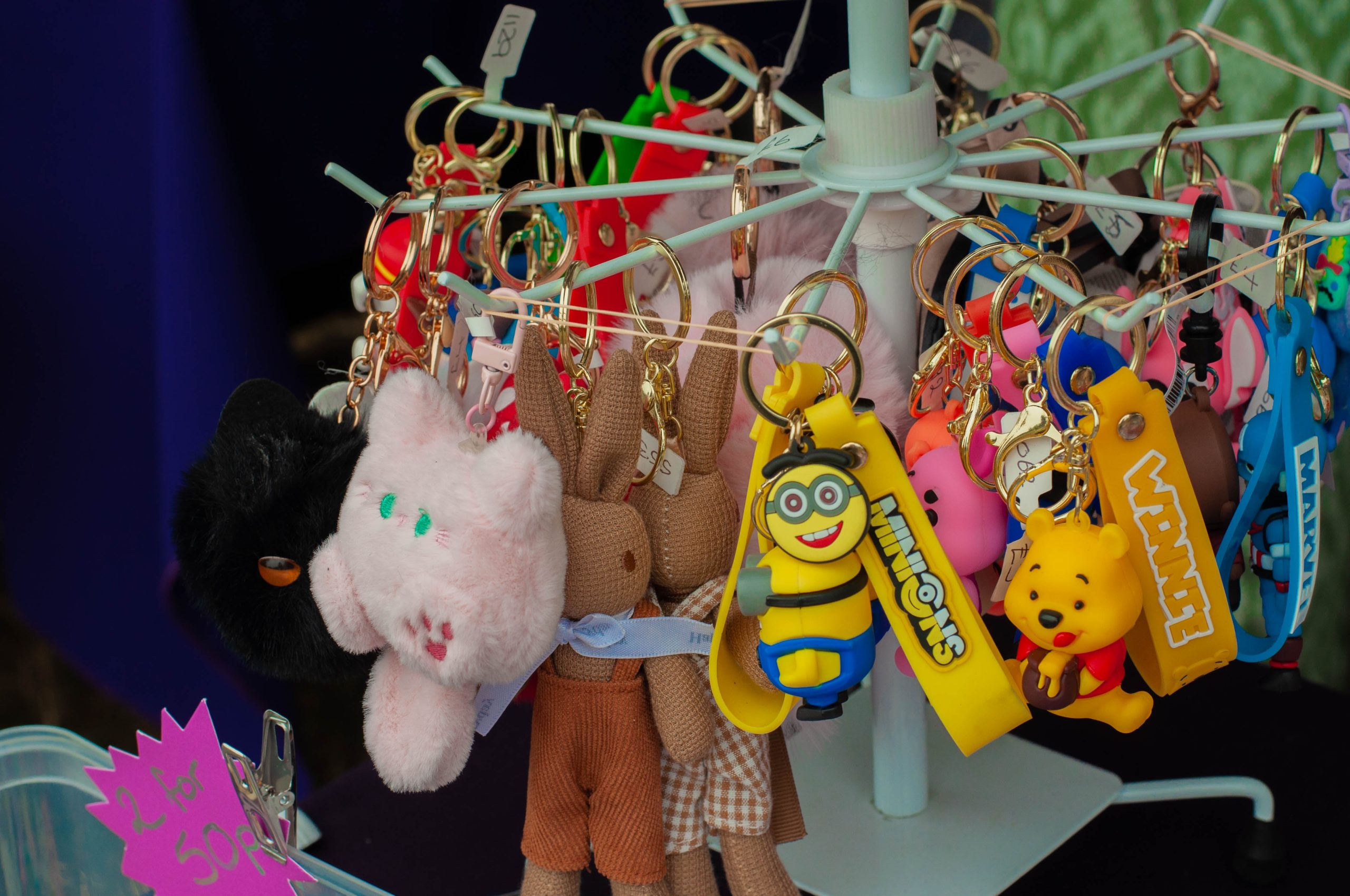
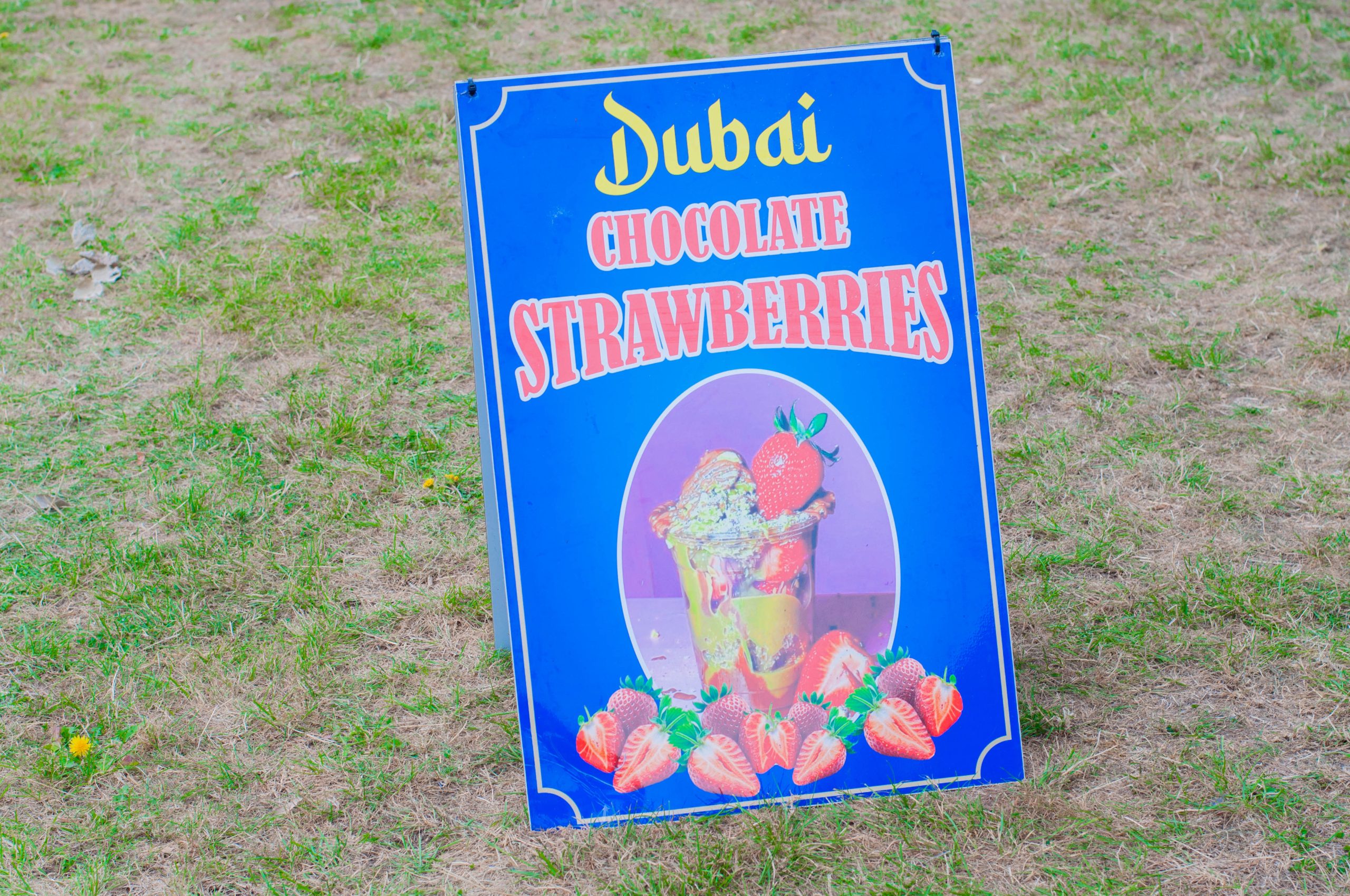
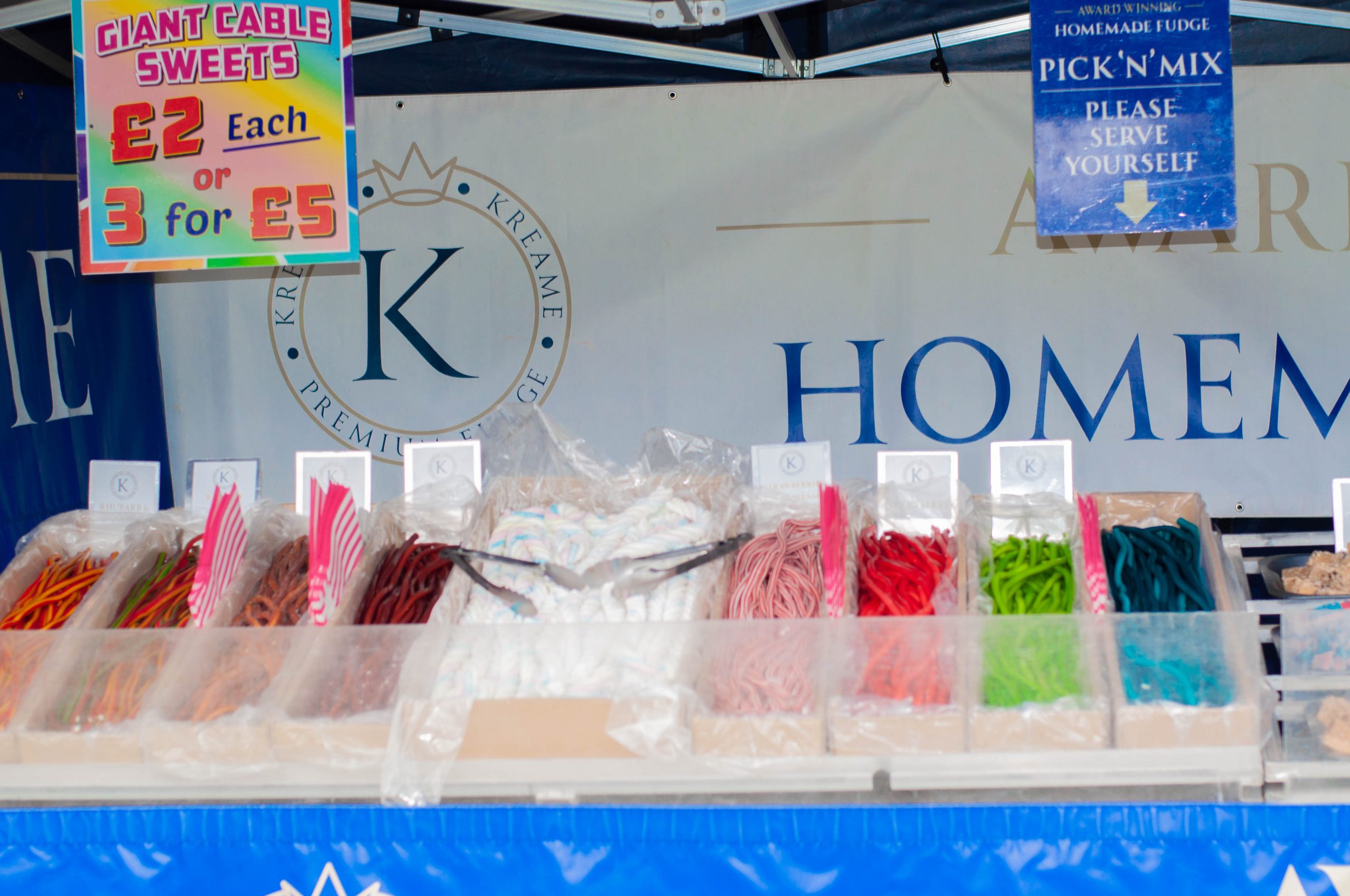
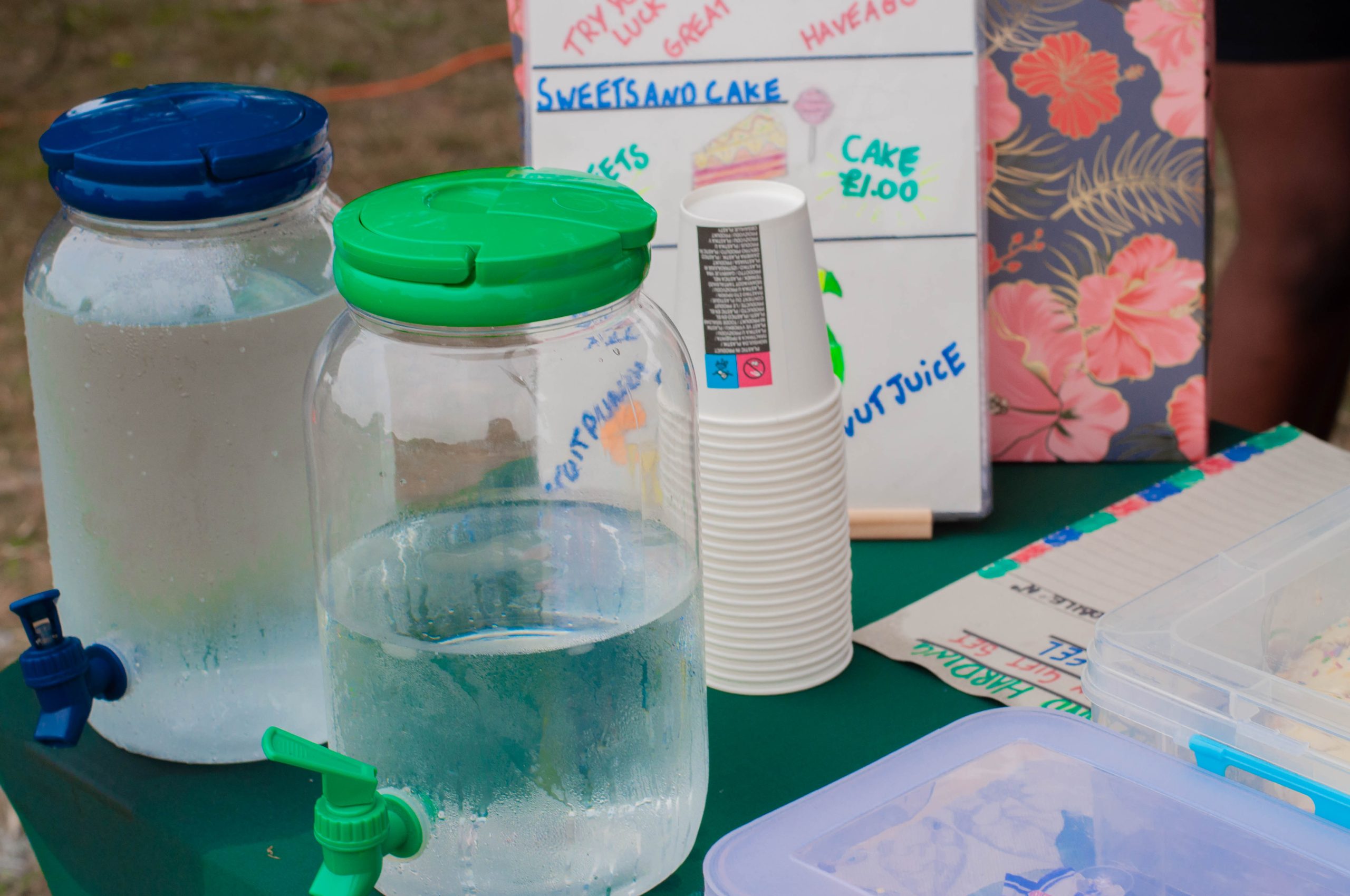
WATFORD COMMUNITY FAMILY FUN DAY 2025 – EVENT RECAP











































ECOWAS Leaders Offer Grace Period as Mali, Burkina Faso, and Niger Plan Withdrawal

The Economic Community of West African States (ECOWAS) faces a historic shift as leaders of the regional bloc have approved the withdrawal of Mali, Burkina Faso, and Niger—three nations currently under military rule. However, to preserve ties, ECOWAS has extended a six-month grace period, allowing the countries to reconsider their decision.
Founding Members Depart
Mali, Burkina Faso, and Niger, founding members of ECOWAS since its establishment in 1975, announced plans to leave the bloc in January 2025. This decision follows their refusal to comply with ECOWAS’s demands to restore democratic governance after recent military coups in these nations.
The departure of these three countries deals a significant blow to ECOWAS, which has long been a cornerstone of economic and political integration in West Africa. Citizens of ECOWAS member states currently enjoy the right to live and work across borders, with free movement of goods. The withdrawal raises questions about how these freedoms will be affected.
A New Bloc Emerges
The departing states have formed a new alliance, the Alliance of Sahel States (AES), which has already announced visa-free travel and residency rights for ECOWAS citizens. Leaders of AES emphasize that this decision reflects a spirit of friendship and a desire to maintain long-standing cultural and historical ties across the region.
Despite these assurances, the three nations remain among the poorest in West Africa, and most migration flows traditionally move from these landlocked states to wealthier coastal countries within ECOWAS.
ECOWAS Negotiates a Transitional Period
During a summit in Nigeria, ECOWAS leaders expressed respect for the decision of the Sahel nations but emphasized the hope for reconciliation. They offered a transitional period from 29 January to 29 July 2025, during which the three countries can rejoin the bloc if they choose.
Negotiations, led by Senegal’s President Bassirou Diomaye Faye and Togo’s Faure Gnassingbé, will continue in an effort to mend relations. Yet, the Sahel states maintain that their decision to leave is “irreversible,” as confirmed in a joint statement following a ministerial meeting in Niger’s capital, Niamey.
Challenges Ahead for Regional Cooperation
The withdrawal of Mali, Burkina Faso, and Niger poses serious challenges for regional unity. ECOWAS stands to lose 76 million people—a significant portion of its population—as well as more than half of its geographical land area.
In a statement, ECOWAS Commission President Omar Touray described the impending exit as “disheartening,” but acknowledged the value of ongoing mediation efforts. Meanwhile, AES Chairman and Mali’s military leader Assimi Goïta assured that the right of ECOWAS citizens to move and reside within AES territory freely would remain intact, signaling a willingness to maintain amicable relations.
Underlying Tensions
Relations between ECOWAS and the Sahel states have been strained since the military coups in Mali (2020), Burkina Faso (2022), and Niger (2023). ECOWAS suspended the membership of these nations and condemned the coups, demanding a return to civilian rule.
However, the military juntas have resisted these calls and shifted their alliances toward Russia, accusing ECOWAS of being too aligned with Western powers. This geopolitical pivot underscores the deepening divisions within the region.
What Lies Ahead?
As ECOWAS prepares for the formal departure of the Sahel states, the bloc’s leadership is tasked with navigating this unprecedented split. The coming months will determine whether negotiations can bridge the growing divide or if the departure of Mali, Burkina Faso, and Niger will mark a permanent fracture in West African unity.
 D5 Creation